Menu


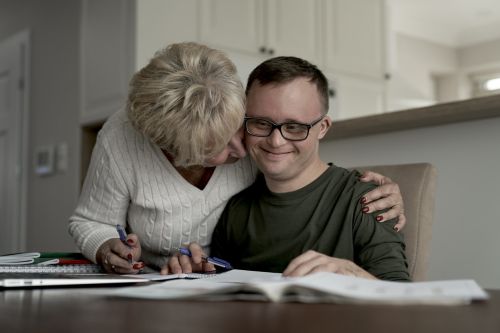
Quick Answer: A special needs trust allows parents to leave assets to an adult child with disabilities without disqualifying that child from means-tested government benefits such as Supplemental Security Income (SSI) and Medi-Cal. Under California law, assets held in a properly drafted special needs trust are not counted toward the strict resource limits that govern eligibility for these programs. Without this planning tool, an inheritance or gift can trigger an immediate loss of benefits until the funds are spent down. For help creating a Special Needs Trust, contact Huber Law Group through the online contact form or call (916) 525-7980 to discuss your situation. Parents of an adult child with special needs carry a responsibility that does not end when that child turns 18. Many assume that leaving money directly to their child, or naming that child as a beneficiary on a life insurance policy, is the most direct way to provide for their future. In California, this approach can backfire. SSI limits recipients to $2,000 in countable resources, and Medi-Cal applies similarly strict thresholds. A special needs trust exists precisely to solve this problem, allowing families to set aside significant resources for their child's benefit while preserving the public assistance that covers medical care, housing support, and daily living expenses. Huber Law Group works with California families to structure this planning correctly from the outset. A special needs trust, sometimes called a supplemental needs trust, is a legal arrangement that holds assets on behalf of a person with a disability without those assets counting against SSI or Medi-Cal resource limits. The trust is managed by a trustee, not by the beneficiary directly, which is the feature that keeps the assets outside the beneficiary's countable resources under California and federal law. There are two primary categories relevant to California families: The distinction matters. California law requires that first-party trusts include a Medi-Cal payback provision, meaning any remaining funds at the beneficiary's death first reimburse the state for benefits paid. Third-party trusts carry no such requirement, which is one reason proactive parental planning is generally preferable to a first-party trust created after the fact. Many parents unintentionally jeopardize their child's benefits by naming the child as a direct beneficiary of a will, retirement account, or life insurance policy. SSI treats an outright inheritance as a countable resource the moment it is received. A child who inherits $50,000 outright will typically become ineligible for SSI until that amount is spent down below the $2,000 limit, and Medi-Cal eligibility can be interrupted in the same way. This creates a difficult cycle for families. The very support intended to improve a child's quality of life instead forces a choice between spending the inheritance quickly on non-essential items or losing benefits that cover ongoing medical treatment, in-home care, and prescription costs. A special needs trust avoids this outcome entirely because the trustee, not the beneficiary, controls and distributes the assets. Common triggers for benefit disqualification include: Huber Law Group reviews existing estate plans, beneficiary designations, and family gifting practices to identify these risks before they become a problem. A special needs trust is designed to supplement, not replace, government benefits. Federal and California guidelines restrict what the trust can pay for directly, since covering certain expenses, particularly food and shelter, can reduce SSI payments under a rule known as In-Kind Support and Maintenance (ISM). Permissible expenditures generally include: A trustee who understands these boundaries can dramatically improve a beneficiary's quality of life without disrupting benefit eligibility. Trustee selection is one of the most consequential decisions parents make when establishing this type of trust. Huber Law Group advises clients on choosing between a family member trustee, a professional fiduciary, or a corporate trustee based on the complexity of the trust and the family's long-term circumstances. Establishing a special needs trust requires careful drafting to satisfy both federal Social Security Administration guidelines and California Probate Code requirements. The process typically follows these steps: California families frequently integrate a special needs trust into a broader estate plan rather than treating it as a standalone document, which helps ensure consistency across wills, trusts, and beneficiary designations. A special needs trust gives California parents a way to provide meaningfully for an adult child's future without putting SSI or Medi-Cal benefits at risk. The distinction between third-party and first-party trusts, the restrictions on permissible distributions, and the selection of a capable trustee each carry long-term consequences for the beneficiary's stability and quality of life. Huber Law Group has guided California families through this planning process, integrating special needs trusts into comprehensive estate plans that protect both assets and benefits. Contact Huber Law Group to schedule a no-cost consultation and discuss how a special needs trust can be structured for your family's circumstances. Q: Will a special needs trust affect my child's eligibility for SSI or Medi-Cal? A: No, a properly drafted special needs trust does not count toward SSI or Medi-Cal resource limits. The trust must restrict distributions to supplemental purposes and be managed by a trustee rather than the beneficiary directly. This structure keeps the assets outside the beneficiary's personal countable resources under California and federal guidelines. Families should still coordinate distributions carefully to avoid reducing SSI payments through in-kind support rules. Q: What is the difference between a first-party and third-party special needs trust? A: A third-party special needs trust is funded with assets belonging to someone other than the beneficiary, such as a parent, and carries no Medi-Cal payback requirement. A first-party trust is funded with the beneficiary's own assets, often from a settlement or inheritance, and California law requires it to include a Medi-Cal repayment provision. Parents planning proactively typically use a third-party trust structure. Q: Can I name my child directly as a beneficiary of my will instead of using a trust? A: Naming your child directly as a beneficiary can immediately disqualify them from SSI and Medi-Cal once they receive the inheritance. These programs impose strict resource limits, and an outright bequest counts against those limits. A special needs trust avoids this outcome by holding the assets separately from your child's personal resources while still allowing the funds to benefit them. Q: Who should I choose as trustee of my child's special needs trust? A: The right trustee depends on the complexity of the trust, the size of the assets involved, and your family's circumstances. Many parents initially serve as trustee themselves and name a successor, such as another family member, a professional fiduciary, or a corporate trustee, for after their death or incapacity. Huber Law Group advises California families on evaluating these options based on long-term reliability and administrative capability. Q: When should I set up a special needs trust for my child? A: The ideal time to establish a special needs trust is before your child receives any inheritance, settlement, or significant gift, since planning after the fact is more limited and may require a first-party trust with a Medi-Cal payback provision. Many California parents incorporate a special needs trust into their broader estate plan while their child is still a minor or shortly after reaching adulthood. Early planning provides the most flexibility and the strongest long-term protection.
Introduction
What Is a Special Needs Trust and How Does It Work?
Why Direct Inheritances Put Government Benefits at Risk
What Can a Special Needs Trust Pay For?
How Do You Set Up a Special Needs Trust in California?
Contact Huber Law Group
Frequently Asked Questions
© 2026 Huber Law Group
| View Our Disclaimer | Privacy Policy
Law Firm Website Design by The Modern Firm